

Maintenance Plans
Catch the failing valve before it becomes a flood
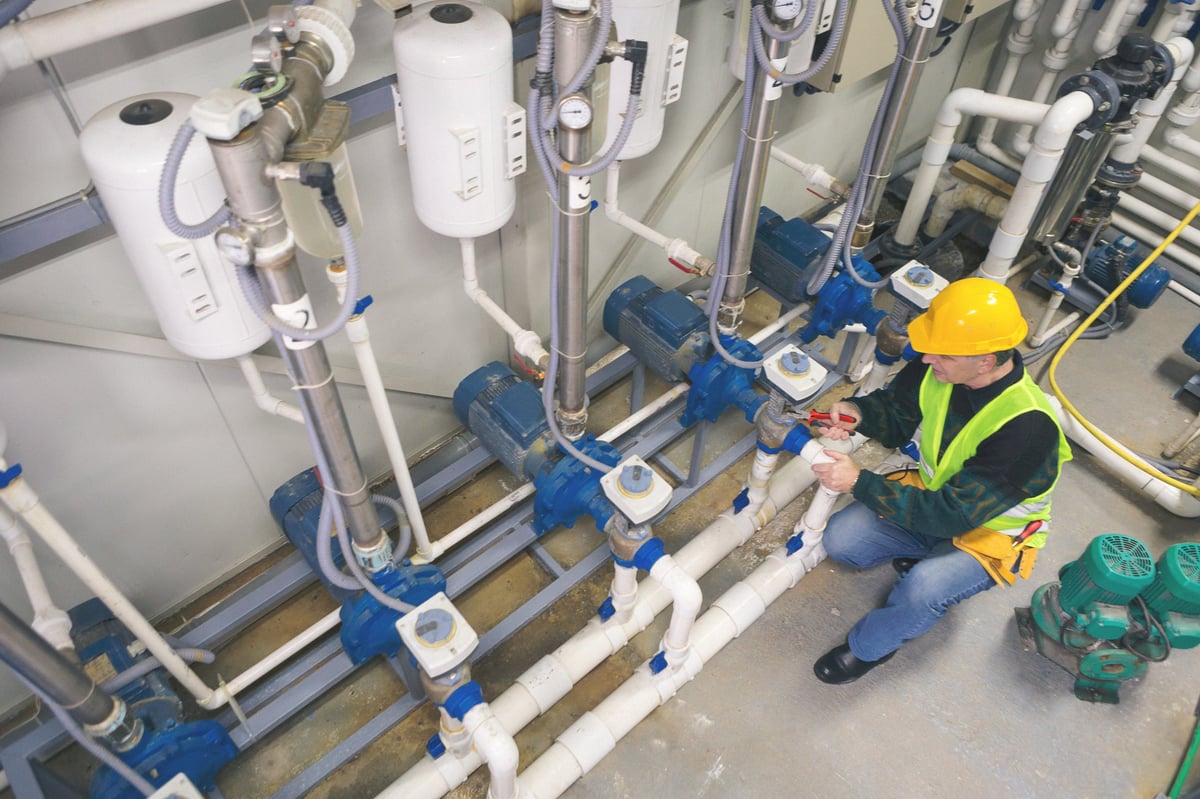
Commercial systems rarely fail without warning. They give signals — a slow drip, a rising energy bill, a unit short-cycling — that get missed when nobody is scheduled to look. A maintenance plan puts eyes on your systems on a schedule, not after an emergency.
Plans tailored to your equipment and facility
Why It Pays
Planned service costs less than emergency service
A maintenance plan is not a subscription for its own sake. It's a way to move spending from the emergency column to the planned column — where everything is cheaper and nothing happens at 2 a.m.
Fewer failures
Worn belts, failing bearings, and corroding fittings get caught while they're still a scheduled part swap.
Lower energy use
Clean coils, correct refrigerant charge, and working controls keep systems running near their rated efficiency.
Longer equipment life
Commercial equipment that's serviced on schedule reaches the far end of its service life instead of being replaced early.
Budget predictability
Planned maintenance is a known line item. Emergency repairs are whatever the situation demands, whenever it happens.
What's Included
Built around your equipment, not a template
How often a system needs attention depends on what it is, how hard it runs, and what it serves. We build the schedule from your actual equipment list — restaurants, office towers, and warehouses don't all need the same plan.
Tell us what you have and we'll put together a scope with clear pricing and visit frequency.
Scheduled inspections
Regular visits on a defined frequency to inspect plumbing and HVAC systems for wear and early failure signs.
Seasonal tune-ups
Heating systems serviced before winter, cooling systems before summer — ahead of the season that stresses them.
Filter and belt service
Routine replacement of filters, belts, and wear components that quietly degrade performance when neglected.
Coil and drain cleaning
Condenser and evaporator coil cleaning plus condensate drain clearing to protect efficiency and prevent water damage.
Backflow testing
Annual assembly testing and certification where applicable, with documentation filed for your compliance records.
Priority emergency dispatch
Plan clients move to the front of the queue when something fails — because you're already a known site to us.
Written service reports
You get a record of what was checked, what was found, and what needs attention — useful for budgeting and ownership reporting.
Equipment lifecycle guidance
Honest input on when a unit is worth repairing and when it's time to plan a replacement, so you can budget ahead.
Want a plan priced for your building?
Send us your equipment list and property type. We'll come back with a maintenance scope and clear pricing — no obligation.